Why Automotive Plant Management Recruitment Has Changed
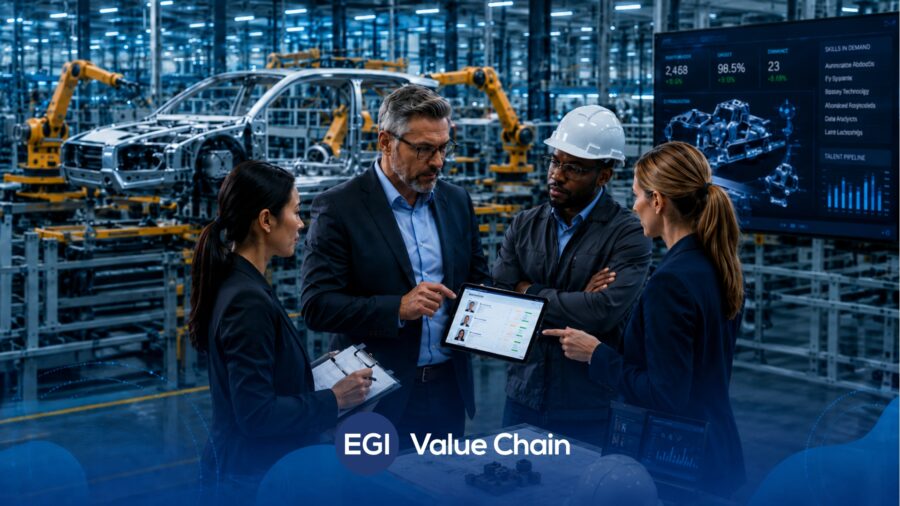
Automotive Plant Management recruitment is no longer just about finding someone who can keep a site running.
For years, businesses looked for steady operators leaders who could maintain production, manage teams, control costs, and keep the line moving. Those skills still matter. But the expectations placed on Automotive Plant Managers have shifted significantly, and the environment in which companies hire has become more competitive, more complex, and higher stakes than at any point in recent memory. The role itself has fundamentally broadened, and the hiring process around it needs to reflect that.
Today, automotive manufacturers need leaders who can stabilise, transform, and improve performance often simultaneously, and often at pace. The shift from internal combustion engine (ICE) platforms to electric vehicles, the rise of software-defined manufacturing, and ongoing supply chain volatility have made the Plant Manager role one of the most demanding and consequential leadership positions in industry.
Three major shifts are reshaping the way automotive companies hire Plant Managers.
1. AI is changing how companies assess leadership talent — but it has limits
Artificial intelligence is moving quickly into the hiring process across automotive and industrial sectors. From automated CV screening to data-led talent mapping, companies have more tools than ever to identify candidates at speed. In manufacturing specifically, AI adoption in hiring rose from 16% to 26% in a single year, one of the sharpest increases of any sector. (Source)
But when it comes to Automotive Plant Management, AI can only go so far.
A strong Plant Manager is not a list of keywords on a CV. In an industry navigating simultaneous EV platform transitions, retooling programmes, and the introduction of battery assembly lines and megacasting facilities on live production sites, they need to demonstrate leadership, sound judgement, emotional intelligence, and the ability to bring people with them through significant and often disruptive change — qualities that no algorithm currently measures well, and that only become visible through genuine assessment and market insight. The risk is that businesses rely too heavily on systems that identify technical experience while missing the human qualities that determine whether someone will actually be effective on the ground.
There is also a growing regulatory dimension. The EU AI Act, phasing in through 2026–27, is placing new legal obligations on companies using AI in recruitment requiring transparency, risk documentation, and ongoing oversight.
The best hiring processes combine AI with genuine market knowledge. Automation can support the search. It cannot assess whether someone can lead a high-pressure automotive environment or earn the trust of a site in the middle of change.
2. The talent market has become significantly more competitive
The Automotive Plant Management talent pool has tightened and the structural pressures behind it are not going away.
Deloitte and The Manufacturing Institute project said that the sector will need approximately 3.8 million new employees between 2024 and 2033, with nearly 1.9 million positions at risk of going unfilled. (Source) In automotive specifically, the margins even smaller. 74% of automakers anticipate significant changes in the required skills for manufacturing and IT roles, and two-thirds expect to increase investment in process automation over the next year alone. (Source) The World Economic Forum’s Future of Jobs Report 2025 adds that around 40% of core skills in manufacturing and supply chain will change within the next three to five years, compounding the challenge for businesses trying to hire leaders who can keep pace with that transformation. (Source)
At senior leadership level there are fewer proven Automotive Plant Managers available who combine operational excellence, EV transition experience, change management capability, and people leadership. Yet more businesses from OEMs to Tier 1 suppliers are competing for exactly that profile. Between 67% and 70% of senior engineering and operations candidates are passive already employed, well paid, and selective about their next move. (Source) If a business cannot clearly articulate the opportunity, the challenge, the culture, and the long-term vision, it risks losing the best talent to competitors who can.
For candidates, the bar has risen too. Experience alone is no longer enough. Automotive companies want to see measurable impact EV platform launches, retooling programmes delivered on time, productivity improvement, safety performance, workforce reskilling, or turnaround success. The shift from title-holder to evidenced problem-solver is now firmly embedded in how senior automotive leaders are evaluated.

3. The wrong hire can seriously damage culture
Hiring the wrong Automotive Plant Manager can have consequences that extend well beyond performance metrics.
The automotive workforce is already under significant pressure. Nearly 42% of workers in the automotive industry are concerned that advancing technology could replace their role within two years, with retention and change management cited as the most pressing challenges facing employers. (Source) Into this environment, leadership quality matters more than ever.
Research from iHire’s 2024 Talent Retention Report found that the leading reason employees choose to leave a job is a toxic or negative work environment (32.4%), followed by poor company leadership (30.3%) and dissatisfaction with a manager or supervisor (27.7%). Pay ranked sixth suggesting that employees consistently prioritise culture and leadership quality over compensation when deciding whether to stay. (Source)
In automotive plants, where production targets, safety standards, quality systems, and increasingly complex technology all converge, a leadership misalignment can spread quickly and prove difficult to repair. Trust, once lost on a site, rarely comes back quickly. Plant Managers sit at the centre of the operation. A leader who cannot bring a workforce through the uncertainty of an EV transition, manage the cultural shift that comes with automation, or communicate with clarity under pressure risks creating resistance rather than progress — and in a tight labour market, that damage compounds fast.
What this means for automotive businesses hiring today
Automotive Plant Management recruitment has become a strategic exercise, not an administrative one.
Companies need to understand precisely what type of leader their site requires. Each challenge demands a different kind of leader, and the consequences of confusing one for another are significant both commercially and culturally.
The most effective hiring processes are no longer about finding someone who has simply held the title before. They are about identifying someone who has solved comparable problems, led similar sites through similar complexity, and delivered results that can be evidenced not just described.
In a market where talent is scarce, candidate expectations are high, and the cost of a poor hire runs deep into the culture and performance of a plant, getting this right from the start is no longer optional. It is the difference between a site that leads the transition and one that falls behind it.
🔵 For hiring managers and operations leaders in automotive manufacturing
If you are looking to appoint a Plant Manager who can deliver real operational change whether that’s leading an EV transition, retooling a facility, improving productivity, or stabilising culture during transformation, our automotive manufacturing division is ready to support you. We bring deep sector expertise, a verified global network of 50,000+ specialists, and a process built for speed without compromise.
> Get in touch today for a confidential conversation about your hiring requirements.